

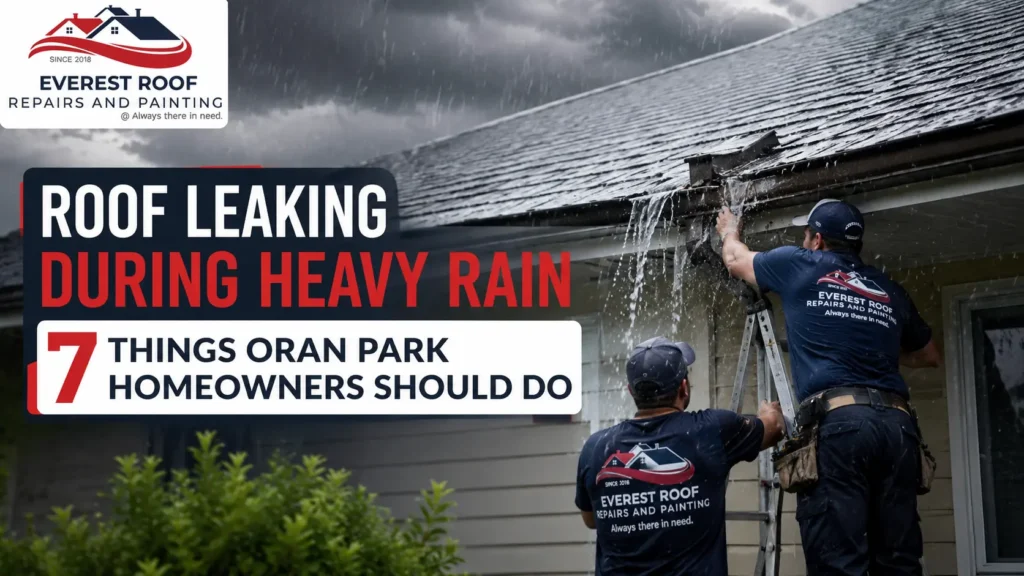
Roof Leaking During Heavy Rain? Not a rarity! It is quite common to have roofing problems come up with heavy rain in the Oran Park area and nearby suburbs of Sydney, as there is usually something to find during heavy rainfall that was not obvious in dry weather. Even an insignificant leak might develop into ceiling spots, molding, dampening of insulation, wood decay, and more serious damage to the structure if not attended to immediately.
Everest Roof Repairs & Painting is your partner in safeguarding your property in Sydney through dependable roof repairs, leakage detection, roof restoration services, flashing repair services, ridge capping repair services, roof maintenance services, and storm damage repair services. The expert roofers at Everest Roof Repairs & Painting understand the difficulty of rain for the roofs in Australia and provide lasting repair services.
Why Homeowners Across Oran Park Trust Everest Roof Repairs & Painting
The selection of the best roof repair companies is almost as crucial as solving the roof leakage problem itself. We at Everest Roof Repairs & Painting strongly believe that a proper roof repair is all about addressing the real source of the problem.
If your roof has any issues from cracked tiles to storm damage, you can be assured that we will assess each component thoroughly prior to providing you with the best repair option. Each repair job is done with only the best materials and methods tailored to the variable weather in Sydney.
Our Experience Speaks for Itself
Our Achievements | Results |
Projects Completed Successfully | 500+ |
Roof Leaks Fixed Across Sydney | 300+ |
Years of Roofing Experience | 8+ Years |
We are all about providing reliable roofing solutions that ensure that property owners do not have to experience roof leaks in the future.
Why Roof Leaks Become Worse During Heavy Rain
Most homeowners think the rain causes the problem. What is important to understand is that rain typically just highlights an underlying issue with the roof.
During a heavy rainstorm, rain will be able to seep under a tile that is cracked, a sheet of metal that is not intact, flashing that is worn out, roof valleys that are clogged up, or ridge caps that are loose.
Some of the most common reasons we identify during inspections include:
- Broken or cracked roof tiles
- Rusted roof valleys
- Damaged roof flashing
- Loose ridge capping
- Blocked gutters and downpipes
- Storm damage
- Ageing roofing materials
- Poor previous repair work
Finding the exact entry point requires professional roof leak detection because water often travels several meters before becoming visible inside your home.
1. Protect Your Family Before Anything Else
Above all, make sure you are safe when water starts flowing into your house.
When there is water leakage near any electrical fixtures, power outlets, ceiling lights, and any other appliances, then it would be wise not to touch the leaking place and switch off the electricity to that area if possible. You may relocate any valuable items to a safer place.
The use of buckets, towels, or any other water-proof container can keep the interior damage to a minimum until professional help arrives.
It would never be a wise decision to go on the roof during heavy rainfall since wet roofs become highly slippery.
2. Reduce Water Damage Inside Your Home
Even a small roof leak can cause considerable damage on the inside within a few hours.
Water accumulated in ceilings and walls can result in:
- Damage to ceiling plaster
- Peeling of paints
- Bulging timber
- Mold formation
- Insulation wetness
- Electric shock dangers
When you see that your ceiling starts sagging, it may mean that there is water accumulation above the plasterboard ceiling. It must be checked immediately to prevent collapse of the ceiling.
Ventilating the room with water damage will also help to reduce moisture levels.
3. Identify Visible Signs Without Climbing Onto the Roof
While you should avoid walking on a wet roof, there are still several warning signs you can safely check from ground level.
Look for:
- Missing roof tiles
- Broken ridge caps
- Overflowing gutters
- Rust stains around roof valleys
- Damaged flashing near chimneys or skylights
- Fallen tree branches
- Loose roofing materials after strong winds
Photographs taken from the ground can also help document storm damage for future insurance claims and assist roofing professionals during the inspection.
Many leaks begin in one location but appear somewhere completely different inside the house, which is why a complete roof inspection is always recommended after prolonged heavy rain.
Why Professional Roof Repairs Save Money
Many homeowners delay repairs because the leak appears small. Unfortunately, roof leaks rarely fix themselves.
What begins as a minor water entry point can eventually require:
- Ceiling replacement
- Structural timber repairs
- Insulation replacement
- Internal painting
- Mould remediation
- Major roof restoration
Addressing the issue early is usually far more affordable than repairing widespread water damage months later.
If you’re experiencing a Roof Leaking During Heavy Rain, arranging a professional inspection as soon as possible helps identify hidden damage before it becomes a much larger problem.
4. Schedule a Professional Roof Inspection Before the Damage Spreads
One of the biggest mistakes homeowners make is assuming the leak has stopped simply because the rain has ended. In reality, moisture can remain trapped beneath roofing materials, insulation, and timber framing long after the visible dripping disappears.
A professional inspection allows roofing specialists to identify hidden issues before they become expensive structural repairs. Rather than repairing only the visible leak, a complete inspection focuses on finding the original entry point and checking the overall condition of the roof.
During an inspection, our team carefully checks:
- Roof tiles or metal roofing sheets
- Ridge capping condition
- Roof flashing
- Roof valleys
- Gutters and downpipes
- Roof sarking
- Skylights and roof penetrations
- Signs of storm damage
- Water entry around vents and chimneys
If your home has experienced a Roof Leaking During Heavy Rain, arranging an inspection immediately after the weather clears is the most effective way to prevent future leaks and costly internal damage.
5. Don’t Ignore Small Roof Leaks
Many homeowners place a bucket under the leak and continue living with the problem for weeks or even months. Unfortunately, roof leaks almost always become worse over time.
A small amount of water entering your roof can slowly damage the following:
- Ceiling plaster
- Internal walls
- Roof insulation
- Timber framing
- Flooring
- Electrical fittings
The longer water remains inside your roof cavity, the greater the chance of mold growth and structural deterioration.
Early repairs are almost always quicker, simpler, and far more affordable than waiting until significant damage has occurred.
Warning Signs You Should Never Ignore
- Water stains on ceilings
- Damp patches on walls
- Bubbling paint
- Musty smells
- Sagging ceilings
- Dripping water after rain
- Loose ridge caps
- Overflowing gutters
- Broken roof tiles
If you notice any of these signs, it’s time to have your roof professionally assessed before another storm arrives.
6. Prevent Future Roof Leaks With Regular Maintenance
Emergency repairs solve the immediate problem, but preventative maintenance helps reduce the likelihood of future leaks.
Regular roof maintenance allows small issues to be repaired before they develop into major roofing problems.
A Simple Roof Maintenance Checklist
Inspect roof tiles after storms
Remove leaves from gutters
Keep roof valleys clear
Check flashing around chimneys and skylights
Repair cracked ridge capping
Replace damaged roof tiles promptly
Schedule annual roof inspections
Trim overhanging tree branches
Address minor leaks immediately
Preventative maintenance not only protects your home but can also extend the overall lifespan of your roof.
7. Choose Experienced Roofing Professionals Who Fix the Cause
Not every roofing contractor approaches repairs the same way.
Temporary sealants and quick patch jobs may stop water for a short period, but they rarely solve the underlying issue.
At Everest Roof Repairs & Painting, every repair begins with identifying exactly where water is entering your roof. Once the source has been located, we recommend the most appropriate repair solution based on the condition of your roof—not a temporary fix.
Our roofing services include:
- Emergency Roof Repairs
- Roof Leak Detection
- Roof Repairs
- Roof Restoration
- Roof Flashing Repairs
- Roof Valley Replacement
- Ridge Capping Repairs
- Skylight Repairs
- Storm Damage Roof Repairs
- Roof Maintenance
- Roof Painting
- Roof Sarking Installation
Every home is different, which is why we tailor our repair recommendations to suit the roofing material, age, and condition of your property.
Why Homeowners Continue Choosing Everest Roof Repairs & Painting
When heavy rain arrives, homeowners need more than a temporary solution—they need experienced professionals who understand Sydney roofs.
Our team has successfully completed hundreds of roofing projects across Sydney, helping homeowners protect their properties with reliable workmanship and long-lasting repairs.
Whether you’re dealing with a single roof leak or widespread storm damage, our goal is always the same: restore your roof properly so you can enjoy peace of mind during every rainy season.
Need Reliable Roof Repairs Before the Next Storm?
If you’ve experienced a Roof Leaking During Heavy Rain, don’t wait until the damage spreads throughout your home.
Everest Roof Repairs & Painting provides professional roof inspections, emergency leak detection, roof restorations, flashing repairs, ridge capping repairs, roof maintenance, and storm damage repairs across Oran Park and surrounding Sydney suburbs.
Our experienced team will identify the source of the leak, explain the repair process clearly, and provide practical solutions designed to protect your home for years to come.
Frequently Asked Questions
1. Why does my roof only leak during heavy rain?
Heavy rain often exposes existing roofing problems such as cracked tiles, damaged flashing, blocked valleys, deteriorated ridge capping, or worn roofing materials. Water can enter through these weak points when rainfall becomes intense.
2. Is a small roof leak considered an emergency?
Yes. Even a minor leak can cause hidden water damage, mold growth, insulation problems, and structural deterioration if left untreated. Early repairs are usually much more affordable than major restoration work.
3. Can roof leaks cause mold inside my home?
Absolutely. Moisture trapped inside ceilings, walls, and insulation creates ideal conditions for mold growth, which may affect indoor air quality and damage building materials.
4. Should I repair my roof myself after heavy rain?
Roof inspections and repairs should only be carried out when conditions are safe. Walking on a wet roof is dangerous and may worsen existing damage. Professional roof inspections help identify the actual cause of the leak safely.
5. How often should I have my roof professionally inspected?
For most Sydney homes, an annual roof inspection and an additional inspection after major storms help identify small issues before they develop into expensive repairs.
Final Thoughts
Heavy rain doesn’t create roof problems—it reveals them. Taking action at the first sign of a leak helps protect your ceilings, walls, insulation, and the structural integrity of your home.
Whether your roof requires emergency repairs, flashing replacement, roof restoration, ridge capping repairs, or a complete inspection, Everest Roof Repairs & Painting is committed to providing dependable roofing solutions that keep your property protected in every season.
Book your roof inspection today and let our experienced team help keep your home safe, dry, and ready for whatever the Sydney weather brings next.